
Thank you, as always, for reading this blog.
ATTENTION
This article contains major spoilers for the Megasphere Match story “MDU vs. Valkyrie,” BUBBLE GUM DANCE, and the booklet MELLOW DEAR US Chocolate Assort.
It also contains the author’s personal interpretations based on official material. I hope you will read while keeping in mind the distinction between facts explicitly established in the story and the interpretations developed from them.
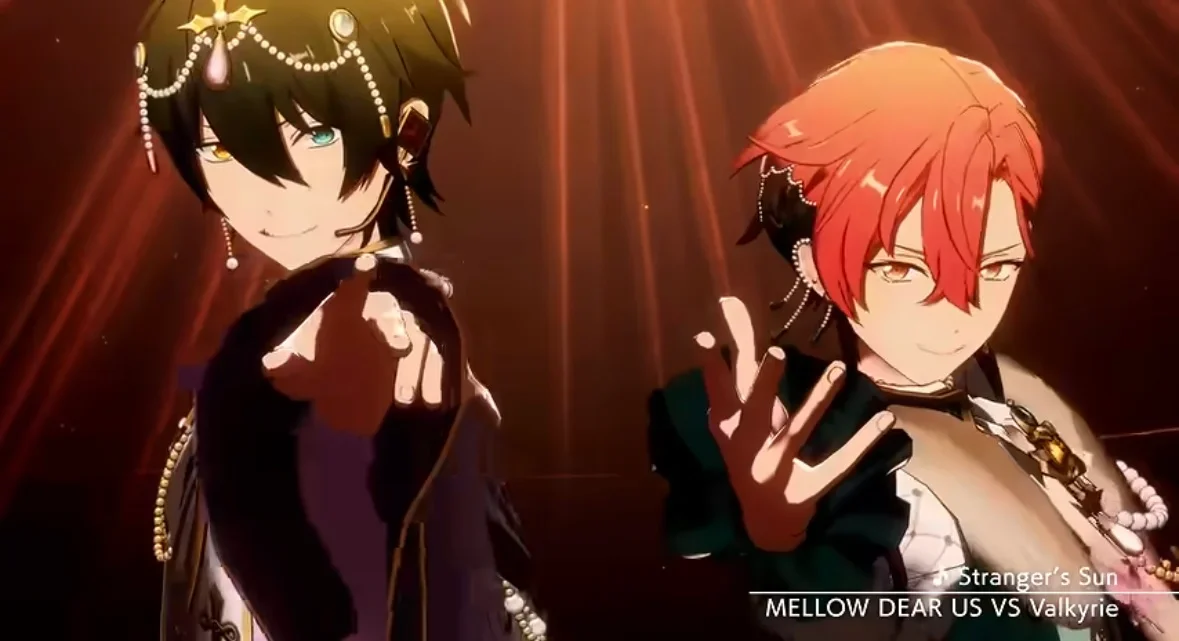
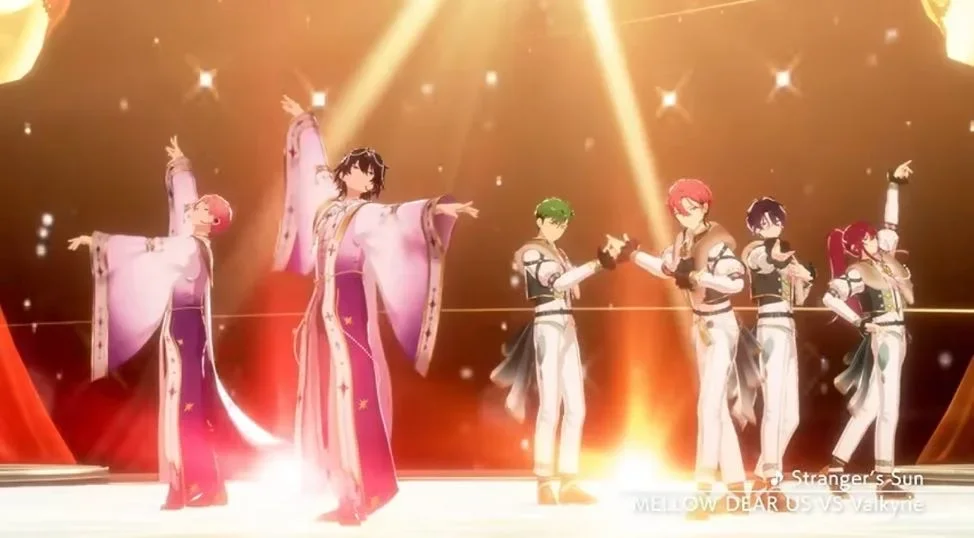
The first round of the Megasphere Match: MELLOW DEAR US versus Valkyrie.
The result was decided by a combined vote: ballots cast by fans at the venue, together with votes from online viewers around the world. The name announced as the winner was MELLOW DEAR US—MDU.
Their technique was overwhelming. They could ignite an audience in an instant, and their perfection never faltered, no matter how unforgiving the stage became. To me, this match demonstrated once again that MDU truly are idols at the highest level in the world.
And yet, when I reached the end of the story, what remained in my heart was not simply the exhilaration of celebrating the winner.
Why did MDU, despite winning, still seem so deeply wounded?
And—
Why did Valkyrie, despite losing, appear to have lost nothing at all?
What was exchanged in this battle was more than a single victory on a tournament bracket.
In this article, I want to consider what MDU and Valkyrie truly gained from this match, the “abyss” that remained even after they touched the light, and the narrative design that may be hidden within the tournament bracket itself.
Chapter One: What the Winner and the Loser Each Took Home
MDU’s Victory—What the Fan Vote Chose
With the venue and online votes combined, MDU defeated Valkyrie.
World-class technique. An instinctive ability to recognize what the public wants. The power to transform that desire into collective excitement throughout the venue. MDU’s strengths aligned perfectly with the rules of this match and drew the greater number of votes.
At the same time, Valkyrie were pushed upward by the sheer magnitude of MDU as an opponent. They reached a stage that they could not have reached by themselves.
The fan vote recorded one winner and one loser. Within that result, however, were two different destinations that victory and defeat alone cannot measure.
What Valkyrie Gained—The Night “Their Art as Two” Was Born
What Valkyrie gained from this battle was immeasurably significant.
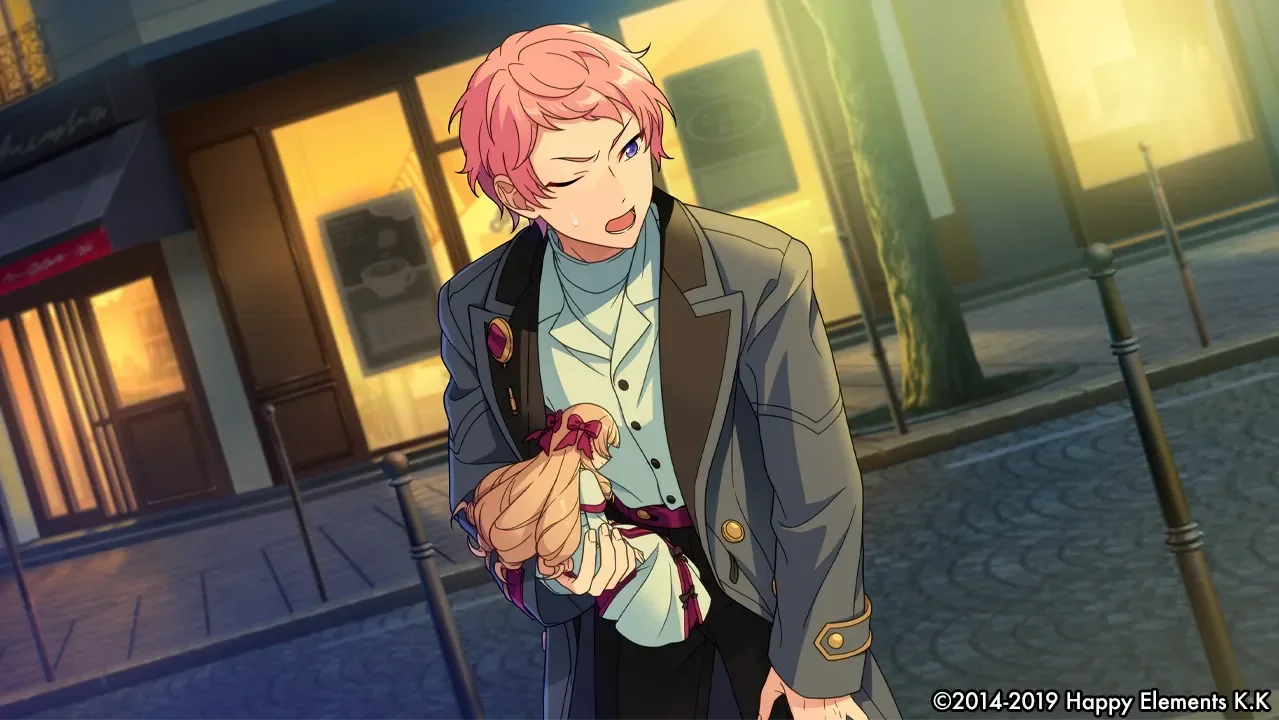
For a long time, Mika Kagehira had buried the truth of his past with Mashu Kuon deep inside himself. At last, he revealed it to Shu Itsuki.
The fear he had felt then. His guilt. Emotions that were ugly and dangerous, emotions he could barely contain—and yet emotions that unquestionably belonged to him alone.
The Mika of the past might have continued hiding them as something “unnecessary to Valkyrie’s art.” If his role was to remain a doll who perfectly reproduced the beauty Shu desired, then his own private wounds had no place on the stage.
But Shu did not cast them aside.
He received Mika not as his possession, nor as a doll who moved exactly as instructed, but as an individual human being and an artist in his own right—and incorporated those emotions into Valkyrie’s expression.
Into Shu’s art flowed wounds and impulses that only Mika could create.
Two distinct souls collided, and from that collision arose a new Valkyrie: a Valkyrie made by the two of them.
They ultimately lost the vote.
Even so, defeat did not diminish by even the smallest fragment the value of what they had fully expressed on that stage.
The beauty they believed in does not vanish simply because it was not chosen by others.
Even in defeat, Valkyrie remained Valkyrie.
Perhaps it was precisely that immovability—shining outside the standards by which MDU measure value—that captured Juis’s gaze.
What Mashu Gained—Someone Who Remembered Him Without a Price Tag
On MDU’s side, the person who changed most dramatically was, without question, Mashu Kuon.
He learned that Mika still remembered him from their days at the circus.
What Mika remembered was not only the Mashu who had failed, fallen, and nearly broken. He remembered Mashu as the hero who had taken his younger self by the hand and brought light into his gloomy days. He remembered the circus as something like a dream.
Mashu believes that he possesses nothing special and that a self who fails has no value. For Mika, however, Mashu’s failure on the giant ball did not erase everything that Mashu—and the circus—had already given him.
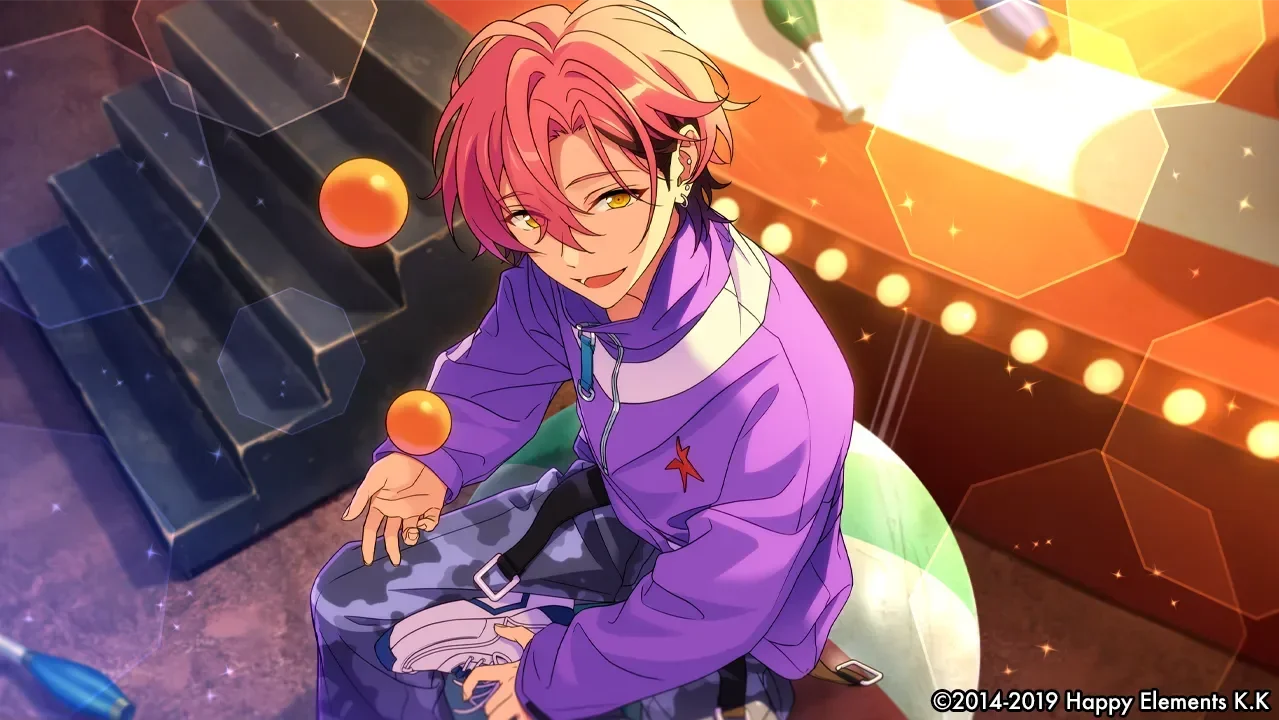
Even on the day he failed, Mashu had already become someone Mika could never forget.
After all those years, Mika finally told him so.
Their relationship moved beyond being bound only by the accident and the fear of the past. They exchanged contact details and promised that they would visit a museum together.
Once, Mashu had taken the young Mika by the hand. Now Mika is preparing to guide Mashu into a world he has never known.
The wound remains. Even so, two people who had once been separated found each other again and reached the point where they could say, “Let’s talk again.” That small step feels unbearably precious.
What Juis Gained—A “Radiance” No One Ordered Him to See
Another person who was quietly shaken by the match was Juis Kojika.
As revealed in BUBBLE GUM DANCE, the education imposed on Juis by the ZK conglomerate required him to “love idols above all else.”
For him, love for idols was never a freely chosen emotion. It was a duty he had to perform in order to survive—a role he had to play perfectly.
The person who once illuminated his path was the man now known as Nice: someone who genuinely loved idols and appeared truly happy to be one.
But when the ZK conglomerate selected Juis as the one who would stand at the top, Nice left idolhood behind and became a producer.
Juis believes that he “killed the idol that Nice had been.”
From that moment on, remaining a perfect idol ceased to be a glory. It became a punishment.
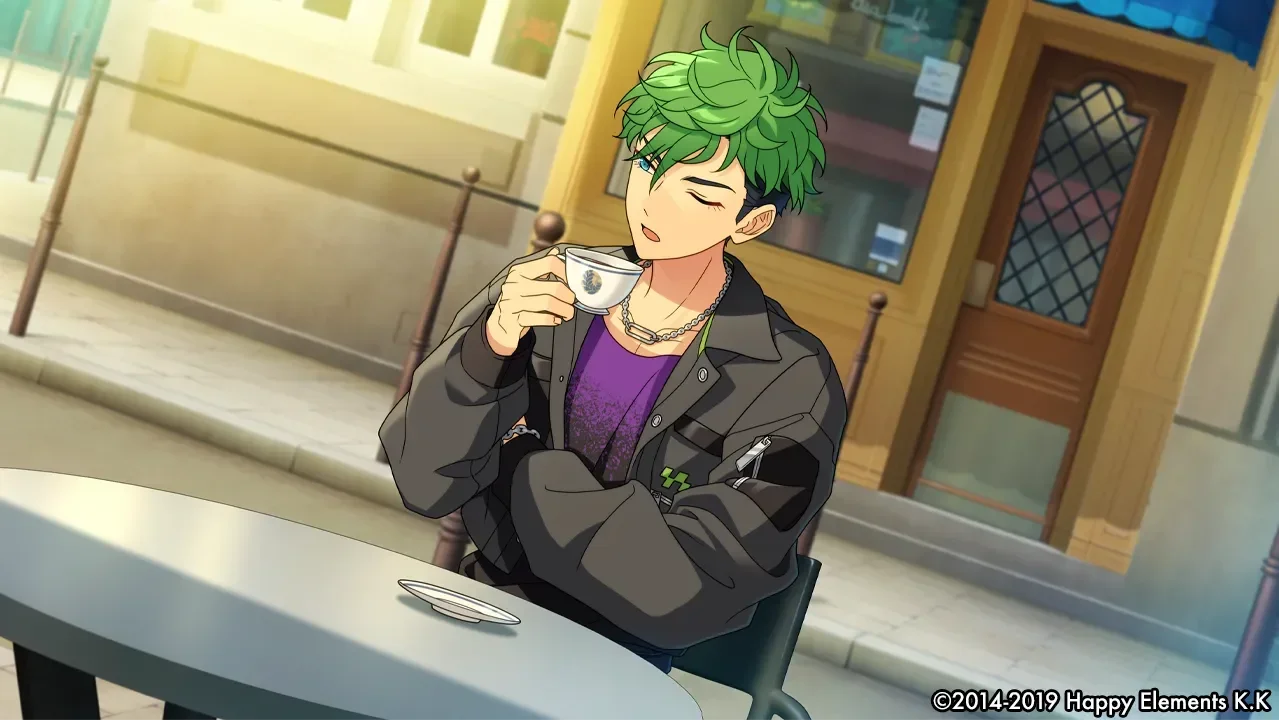
And then this Juis looked at Shu’s way of living and found it “radiant.”
To me, the gaze he directed toward Shu did not belong to the idol adoration assigned to him by ZK. It was not the commercial love he returns to his fans, nor was it part of an instruction from Nice.
Without being ordered by anyone, Juis found himself captivated by Shu’s way of life.
His own heart decided, on its own, that Shu was radiant.
He also stopped Nozomi from denying Valkyrie’s value solely on the basis of victory and defeat, and he began to consider what he, as MDU’s leader, could do about the problem Mashu carries.
It was a good thing that they faced Valkyrie in the first round.
Juis returned from the match with an interest he had chosen for himself—something beyond the “love for idols” he had been commanded to feel.
It is still far from salvation. Yet it was a small and precious step that began in Juis’s own heart.
The Affection Within Them Begins to Turn Outward
The four members of MDU have long kept one another alive.
The booklet shows us that Mashu’s presence saved Juis; that Mashu stopped Chitose when he tried to end his own life; and that Chitose reached out to Nozomi when he had nowhere else to go.
In BUBBLE GUM DANCE, too, Nozomi worries about Juis in his own awkward way, while Juis stops Nozomi from running out of control by invoking a promise between them. Their bonds are intense and desperate.
But that affection has been distorted into words unlike the friendship and kindness we usually recognize: duty, control, observation, care, ownership, dependence.
In the battle with Valkyrie, the heat that had been concentrated within MDU finally turned toward people outside the unit.
Mashu’s kindness began flowing into a new friendship with Mika.
The window Juis had already begun to open through his encounters with the protagonist and Trickstar opened one step wider, this time toward Shu’s way of life—a way of life that exists beyond victory, defeat, and market value.
Emotions that had circulated inside a sealed room were connected to the outside world in a new form through MDU’s collision with Valkyrie.
Chapter Two: Even After Touching the Light, Their Chains Do Not Come Loose
Up to this point, the match may sound like a story filled with hope and salvation.
But the arrival of light does not instantly loosen chains that have spent years cutting into the body.
In fact, stepping into the light can reveal what darkness had hidden:
just how deep a place they had climbed from in order to create those perfect smiles.
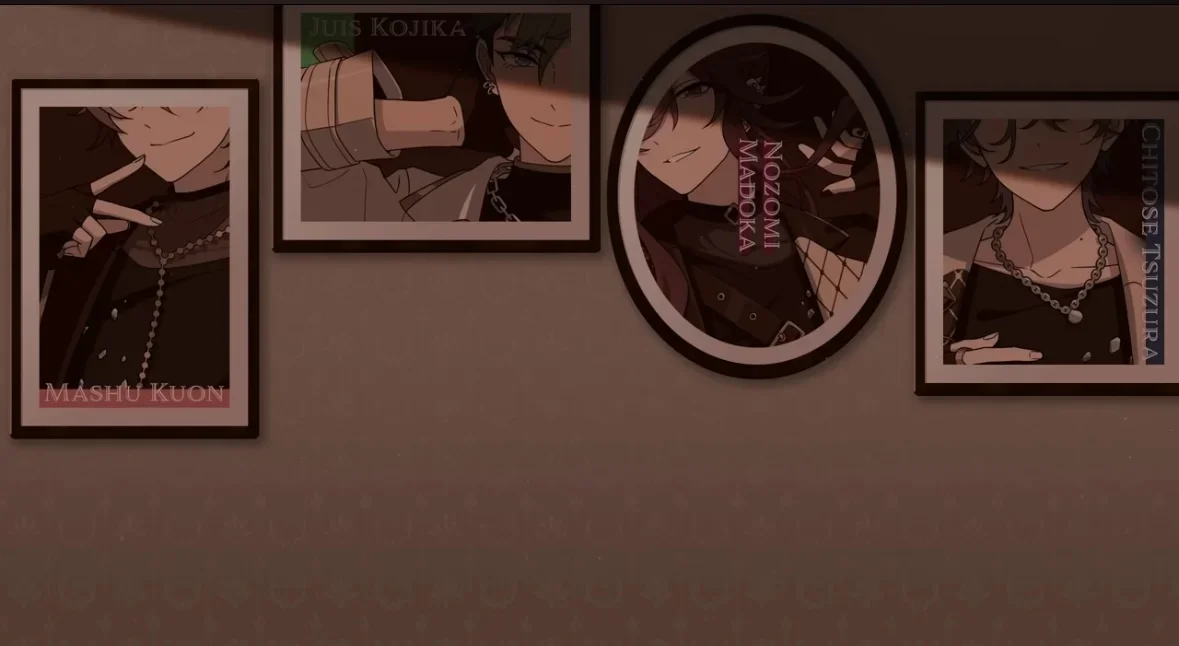
Mashu—Putting a Price Tag on Everything He Is
When Nice invited Mashu to join MDU, Mashu offered the repayment of his debts as a condition.
That agreement created a deeply unhealthy power imbalance between them: creditor and debtor. Bound by gratitude and debt, Mashu cannot easily refuse even work he does not want.
What he surrendered in order to protect the circus was his future self: all the time he would produce from that point onward, his body, his smile, and his ability to work.
What makes this terrifying is that he does not treat it as a tragedy.
The debt can be repaid. The circus can survive. If that is true, then he can simply work like a draft horse.
He offers himself up with the casual ease of adding one more act to a show.
Mika showed him that even the Mashu who failed still had value.
But Mashu himself still cannot fully believe that a version of him who receives no applause—or who is of no use to anyone—could possess value.
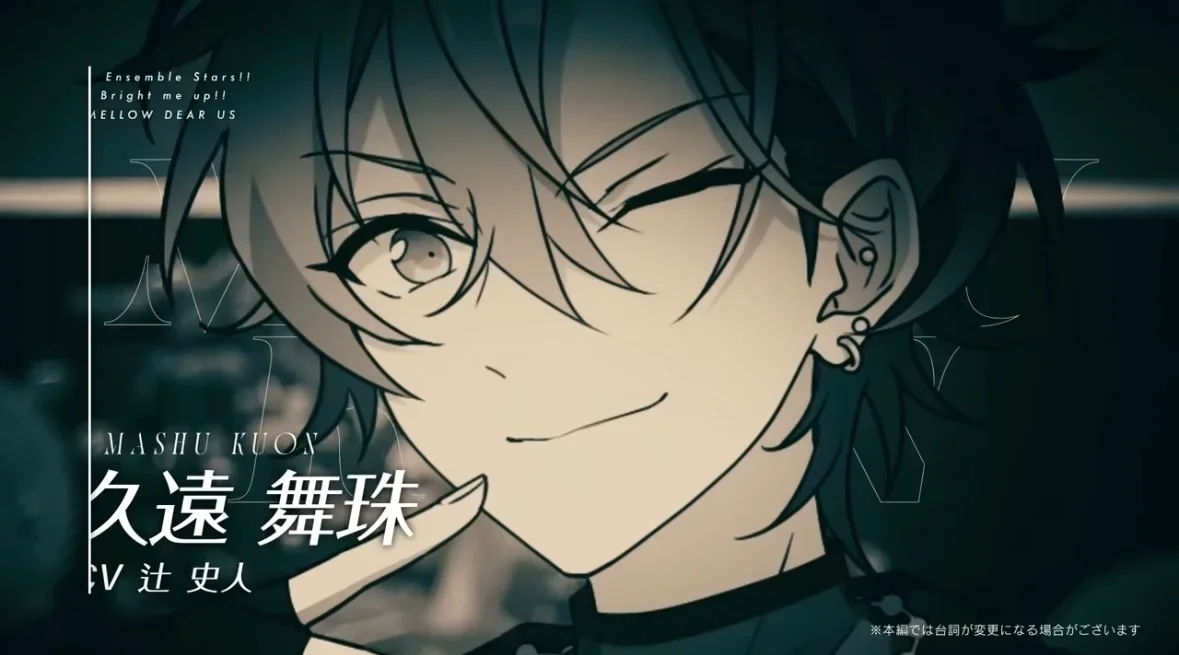
The same is true of his dangerous distance from his fans.
When fans identify his location from details accidentally captured in a members-only photo and come to find him, Mashu processes the situation by saying that he knows which members are dangerous and can manage them successfully.
As long as he continues walking the tightrope perfectly, danger may as well not exist.
Beneath the feet of someone who believes this, the rope remains as thin as ever.
Becoming friends with Mika was unquestionably a light.
But that light has not erased Mashu’s wounds.
What this encounter may have created is the possibility that, if he someday falls from the rope, someone who knows the failed version of him will still call his name.
Juis—Able to Say “I Love You,” Yet Unable to Love
Juis’s chains are crueller still.
As a perfect idol, he can smile, sing, and whisper “I love you” to his fans.
His body moves at the correct angle. His voice reaches them with precision. Their screams tell him that his performance was the right answer.
But he needs an invisible pane of glass between himself and the audience.
What the fans see is not the person within. They see “Juis Kojika,” the ideal idol onto whom they project their dreams.
They are saved by that ideal. They declare that they will devote their lives to him. And one day, they may become disappointed on their own terms and walk away.
That is why, at the end of BUBBLE GUM DANCE, Juis says:
“I can’t love idols.”
It is the despair of someone who was commanded to love, who mastered the performance of love perfectly, and who understands all too well that those words function as a product.
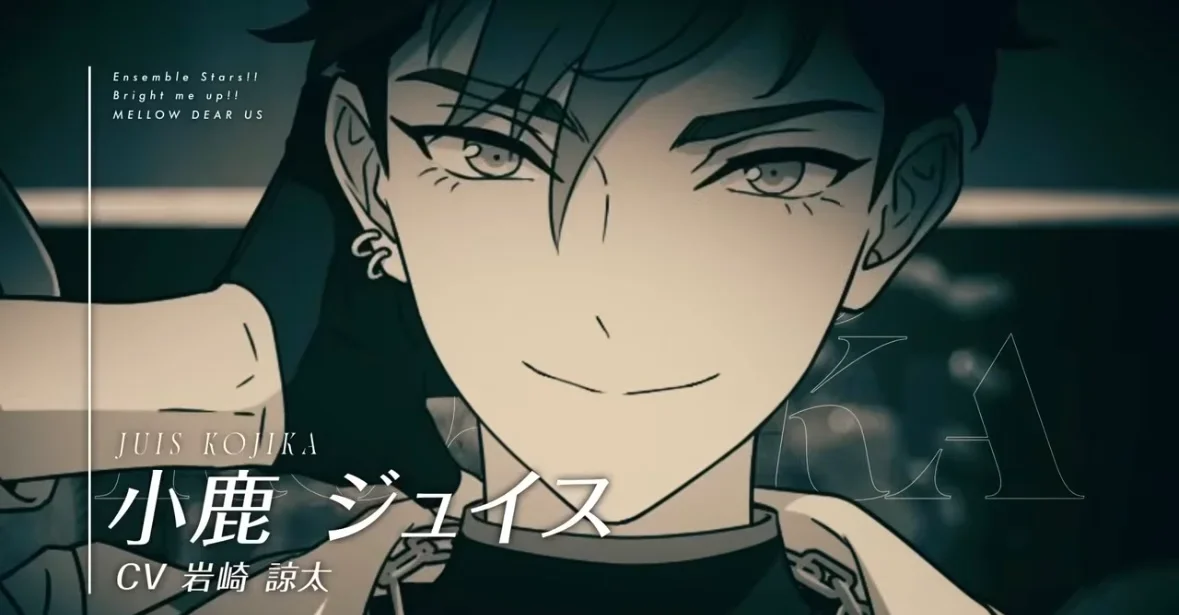
On top of that, he carries the guilt of having taken Nice’s place as an idol.
The more perfectly Juis performs, the more he continues to occupy “the place where Nice should have stood.”
The more the fans love him, the more they affirm the false substitute who drove out the real thing.
Perhaps that is why, by despising idols, Juis punishes himself at the same time.
This curse remains within him even after the match with Valkyrie.
Yet now, beside it, there is the “radiance” he perceived in Shu—a feeling born from Juis’s own heart.
Even if he cannot love, he can still choose for himself whom to look at.
It is only a tiny step, still far from salvation.
That is exactly why I cannot help finding hope in it.
Nozomi and Chitose—Two Abysses the Light Has Not Yet Reached
Nozomi Madoka and Chitose Tsuzura, whose inner worlds were not explored as deeply in this match, each remain bound by their own chains.
Nozomi can only reach another person by grading them, reshaping them according to his wishes, and controlling them. He is also burdened by boredom with a world he believes he can read completely.
Chitose believes that he has no value unless he is useful to someone. The foundation of his self-worth is so fragile that he cannot forgive even a minor failure and may attempt to take responsibility by erasing himself.
Juis entrusts his value to the duty of obsessive devotion.
Nozomi entrusts his value to whether he can control others.
Mashu entrusts his value to the compensation returned by an audience.
Chitose entrusts his value to whether he can be useful to someone.
Each of these four seemingly perfect people has placed his value outside himself in a different way.
I think that is precisely why MDU are so strong.
As long as they continue producing the right answer, they can continue holding themselves together.
And for the very same reason, they are terribly vulnerable.
If they lose the right answer even once, nothing remains to support them.
MDU won.
But not one of them has yet been saved at the root of his wounds.
That truth is what makes this victory so sweet, so bitter, and so impossible to forget.
Chapter Three: Does It Really “Mean Nothing”?—The Interactions Built into the Tournament
Looking back over the match raises a question all over again.
Why was Valkyrie MDU’s first opponent?
Juis gave several reasons: Valkyrie’s ability was an unknown quantity; he wanted an opponent who would offer a real challenge; and because Nice rated Shu so highly, he wanted to prove that MDU were the superior unit.
Now let us look at that choice once more from the perspective of the story itself.
Juis said that there was “no deeper meaning” behind his decision.
But why did the story make Juis choose Valkyrie?
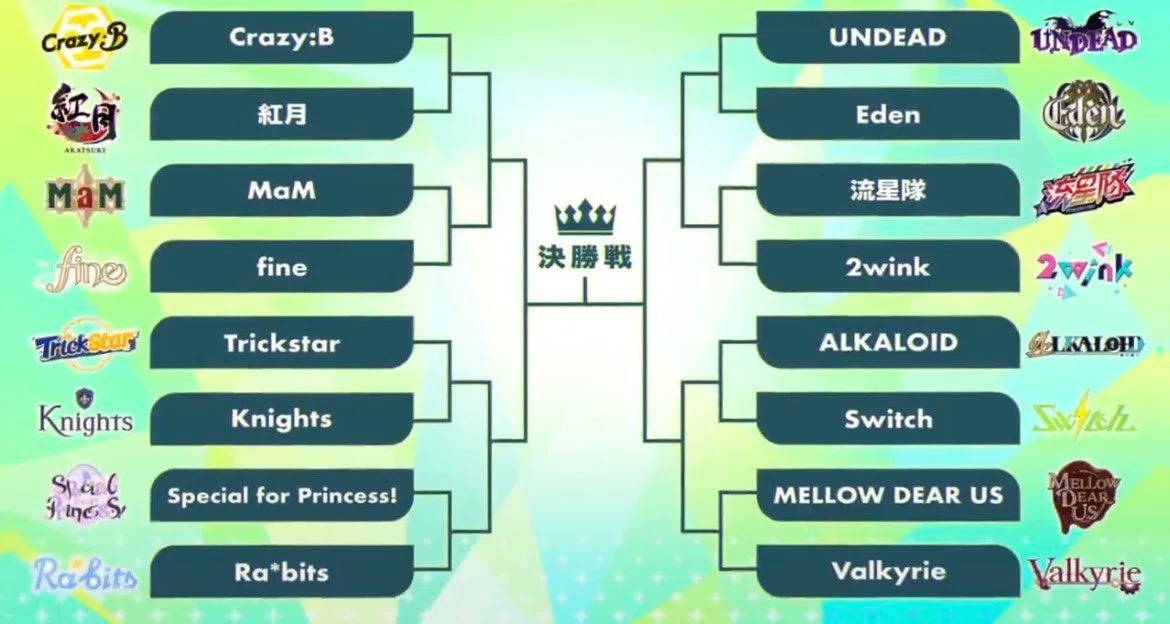
The Unanswered Questions Placed in Every Block
When we place the introductory comments from other units about the members of MDU over the tournament bracket, a curious pattern appears.
In every one of the eight first-round matches, one side of the bracket contains a unit with some connection to MDU.
| First-round match | Side connected to MDU | Question left unanswered |
|---|---|---|
| Crazy:B vs. AKATSUKI | Crazy:B | Juis and Nice’s days at their former agency, known by Rinne / the former MDU, known by HiMERU |
| MaM vs. fine | MaM | The childhood connection between Juis and the protagonist, Anzu, which Madara intends to investigate |
| Trickstar vs. Knights | Knights | The business rivalry between Izumi and Nozomi / Chitose’s past with Leo, which Leo does not remember |
| Special for Princess! vs. Ra*bits | Ra*bits | Chitose’s card-game years, known by Tomoya |
| UNDEAD vs. Eden | UNDEAD | The unusual closeness between Juis and Anzu witnessed by Kaoru / Nozomi before and after “that incident” at the sister school, known by Rei |
| RYUSEITAI vs. 2wink | RYUSEITAI | The ordinary Chitose who buys parsley every week, known only by Midori |
| ALKALOID vs. Switch | ALKALOID | Aira’s admiration for Mashu / the fact, known by Mayoi, that Nozomi was treated as “special” by the Madoka family |
| MDU vs. Valkyrie | Valkyrie | The past between Mika and Mashu that Mika had kept hidden |
The places in the bracket were selected by each leader in a lottery-determined order. Shu chose the position farthest from fine, and Juis deliberately entered the position beside him.
The characters’ own intentions create the matchups, while those characteristically personal choices also produce the clashes with the greatest narrative meaning. As these two layers overlap, the tournament begins to feel almost fated.
In fact, the Valkyrie match answered a question that had remained open since the introductory comments: why had Mika looked so uneasy when he saw Mashu?
If so, this tournament may be more than a mechanism for determining the strongest unit.
It may be a stage that sends, one by one, the opponents capable of cutting deepest into the still-unspoken wounds carried by MDU’s four members.
Seen in that light, the bracket looks entirely different.
Testimony Already Recovered—and Questions Still Open
The introductory comments contain both “testimony” that has already served its purpose and “questions” that continue into the story ahead.
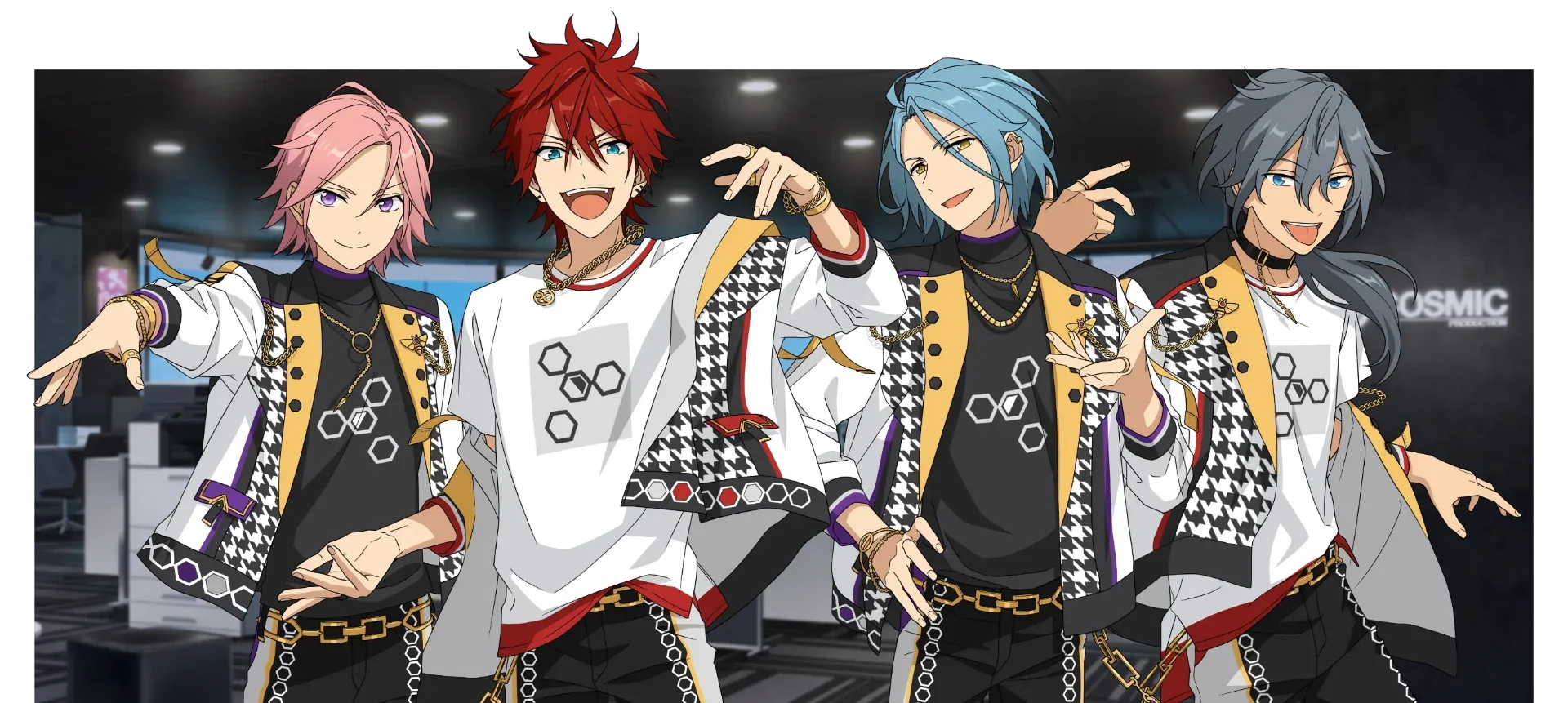
The comments from Crazy:B can be read as testimony explaining the past.
HiMERU was a member of the former MDU, but Mashu joined only after he left. Even in his comment, HiMERU described it as “a story that is already over,” as if closing the relationship.
Much of what Rinne knew about Nice and Juis’s past was also revealed by the people involved in BUBBLE GUM DANCE.
Together, HiMERU’s and Rinne’s words outline the membership changes in the former MDU and the era Juis spent with Nice. Now that Crazy:B have been eliminated, these two threads settle neatly into place as “recovered testimony.”
Juis’s encounters with Trickstar have already fulfilled one role as well: they showed him that idols themselves can enjoy being idols.
The key to predicting what comes next, then, is not how many comments each unit received. It is whether an unanswered question still remains beyond those words.
Why I Still See MDU as Finalists
The predictions that follow assume that MDU continue advancing through the tournament.
Of course, their place in the final is not guaranteed. Even so, I consider MDU the leading candidate not only because of the arrangement of the introductory comments, but because the story has repeatedly demonstrated strength on an extraordinary scale.
In Dynamic Diamond, MDU were called “one of the greatest units in the world.” Defeating them for the first time in Mainstream Megasphere required an enormous stage featuring all fifteen ES units—a total of fifty-four people. Even then, the result was extremely close, and not even Nice had expected MDU to lose.
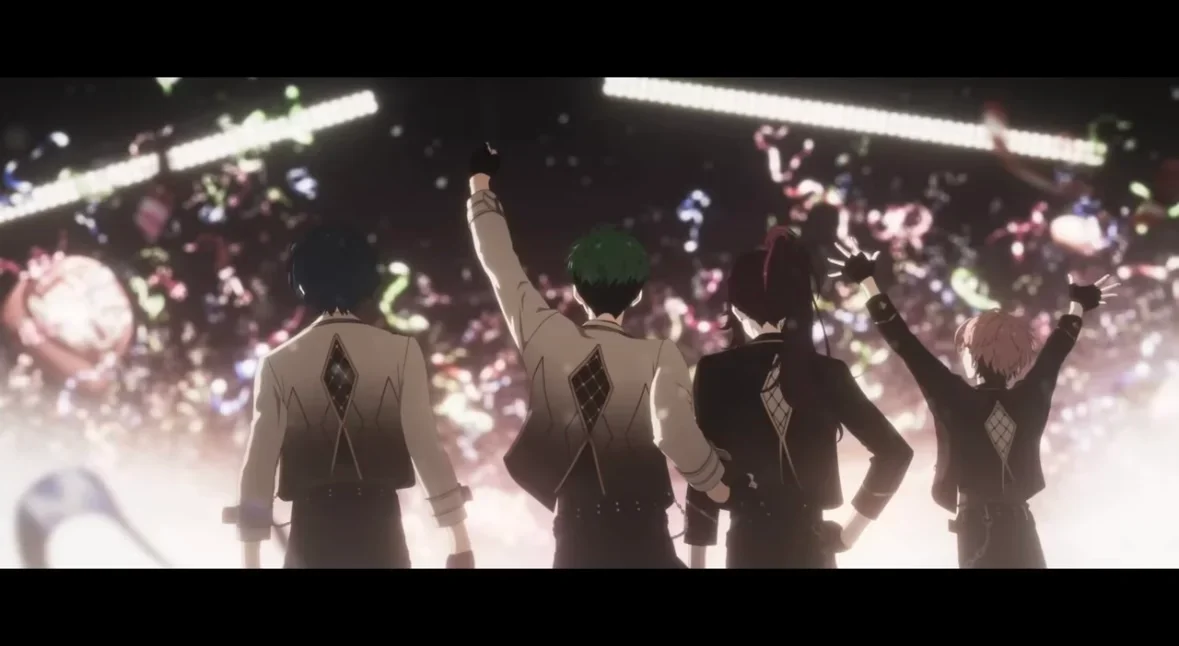
The current Megasphere Match, by contrast, pits one unit against one unit and determines the winner by combining votes from the venue and the entire world. For MDU—with global support and the technique to electrify an audience on any stage—the rules could hardly be more favorable.
The Valkyrie match gave even MDU the tension of a battle they might have lost with a single misstep. That is why we cannot declare their future victories certain. Yet when their past record is considered alongside the tournament rules, there is ample reason to read the remaining bracket on the working assumption that MDU may reach the final.
One Plausible Route Ahead—Following the Unanswered Questions
On that assumption, following the questions that remain in the introductory comments suggests one particularly plausible route:
Valkyrie → ALKALOID → UNDEAD → Knights
This is not a declaration of how each match will end. The match between ALKALOID and Switch, in particular, has not yet been decided, and through 4piece, Juis is also familiar with the abilities of Switch’s members.
Even so, two threads on ALKALOID’s side could connect directly to MDU’s inner lives.
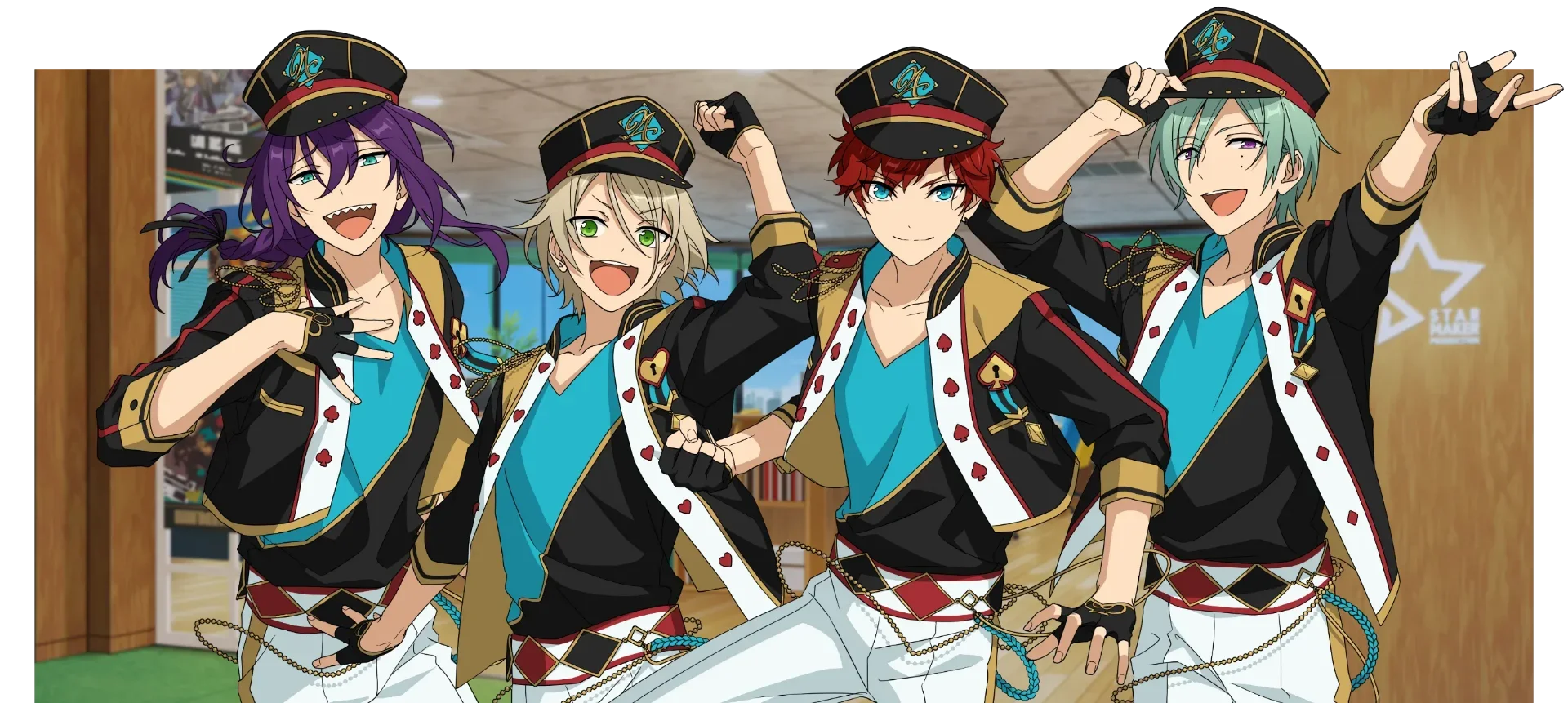
When Aira saw Mashu, he responded with artless admiration, calling him “super lovely” and praising his dancing. Mashu tends to perceive his value as compensation returned to him by an audience. How might pure admiration offered by a fellow idol reach him? It is a fascinating question.
Meanwhile, Mayoi had been told by his family that Nozomi was considered “special” even within the Madoka family. This does not necessarily mean that Mayoi knows the family’s internal affairs or the details of Nozomi’s past. All we can confirm at present is that merely hearing Nozomi’s name inspires such fear of both him and the Madoka family that Mayoi dreads even entering his field of vision.
There is also a contrast between the ways ALKALOID and MDU came into being as units.
ALKALOID were not originally brought together solely by their own wishes, either. Yet as they overcame hardships together, they chose one another anew as indispensable companions and built their own idea of what their unit should be.
MDU likewise share deep bonds: they worry about one another, speak honestly, and support each other. But duty, contracts, and assigned roles have also penetrated deeply into those relationships.
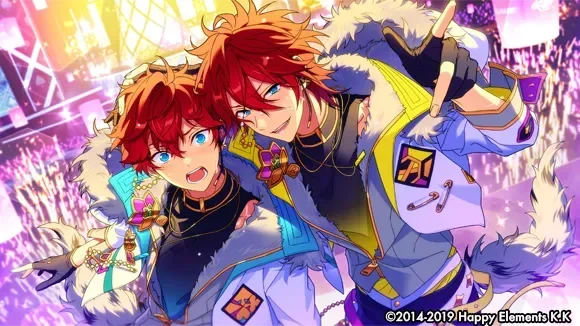
The contrast, therefore, is not between having bonds and having none.
It is this:
How do people re-choose, through their own will, a relationship that was originally imposed from outside?
Hiiro himself once acted under the mission of his homeland to bring his brother back. Through his time with his companions, however, he discovered the path he personally wanted to follow. If a match with ALKALOID takes place, what might that journey ask of MDU, who have spent so long performing a perfection assigned to them? That question could create an interaction unique to this matchup.
As a possible semifinal opponent, UNDEAD’s connections stand out.
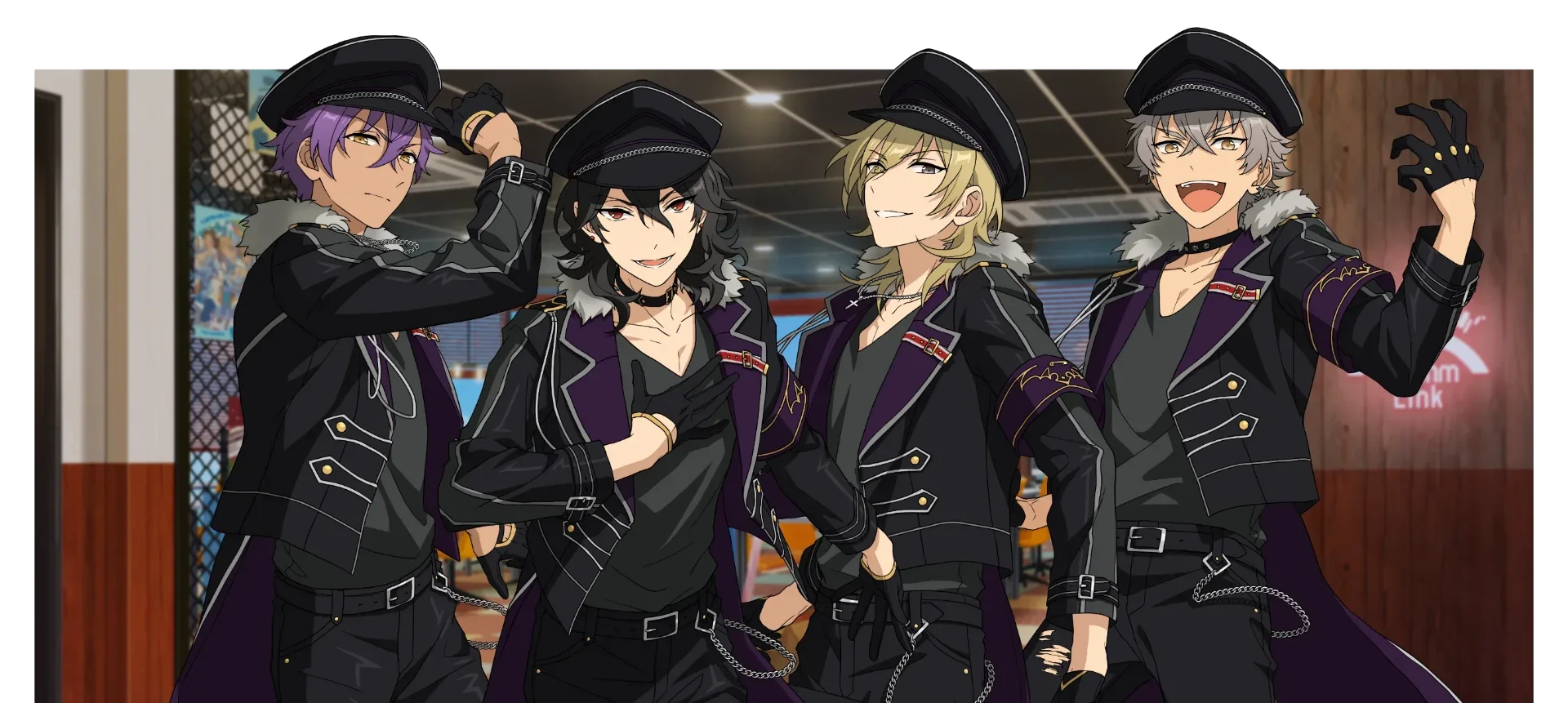
While overseas, Rei knew Nozomi when Nozomi attended a sister school of Yumenosaki Academy. Rei has said that Nozomi’s entire atmosphere changed dramatically around the time of “that incident.”
The nature of the incident has not yet been revealed. Even so, Rei is one of the few people who knew not only the current Nozomi, but also the person he was before that change. If MDU face UNDEAD, the match could bring the story closer to the past Nozomi has concealed.
Juis, too, chose of his own accord to watch an UNDEAD performance in private. If his story is to show him gradually gaining something through interests he chooses himself, rather than through “commanded love,” an UNDEAD match could deepen that line further.
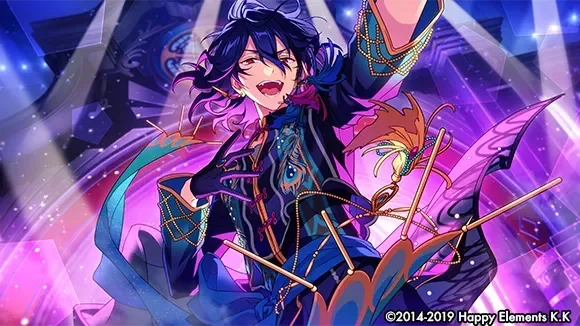
In addition, Kaoru witnessed the strangely close distance between Juis and the protagonist, Anzu. If, as Madara said, the two were childhood friends, this could also become an opening into Juis’s past.
Another connection that cannot be overlooked is the one between Koga and Chitose. When Koga was young, he strongly admired an older card-game opponent whom he could never defeat. The story indicates that this opponent was Chitose, once known as the “Massacre of Hades.”
Because Koga actually knew Chitose in the past, he could become the witness who connects the gentle “prince” of the present with the competitor who once made his name in tournaments.
Through Nozomi, Juis, and Chitose, UNDEAD have several distinct points of contact capable of shaking MDU’s past from multiple directions.
And for a possible opponent in the final, I turn to Knights.
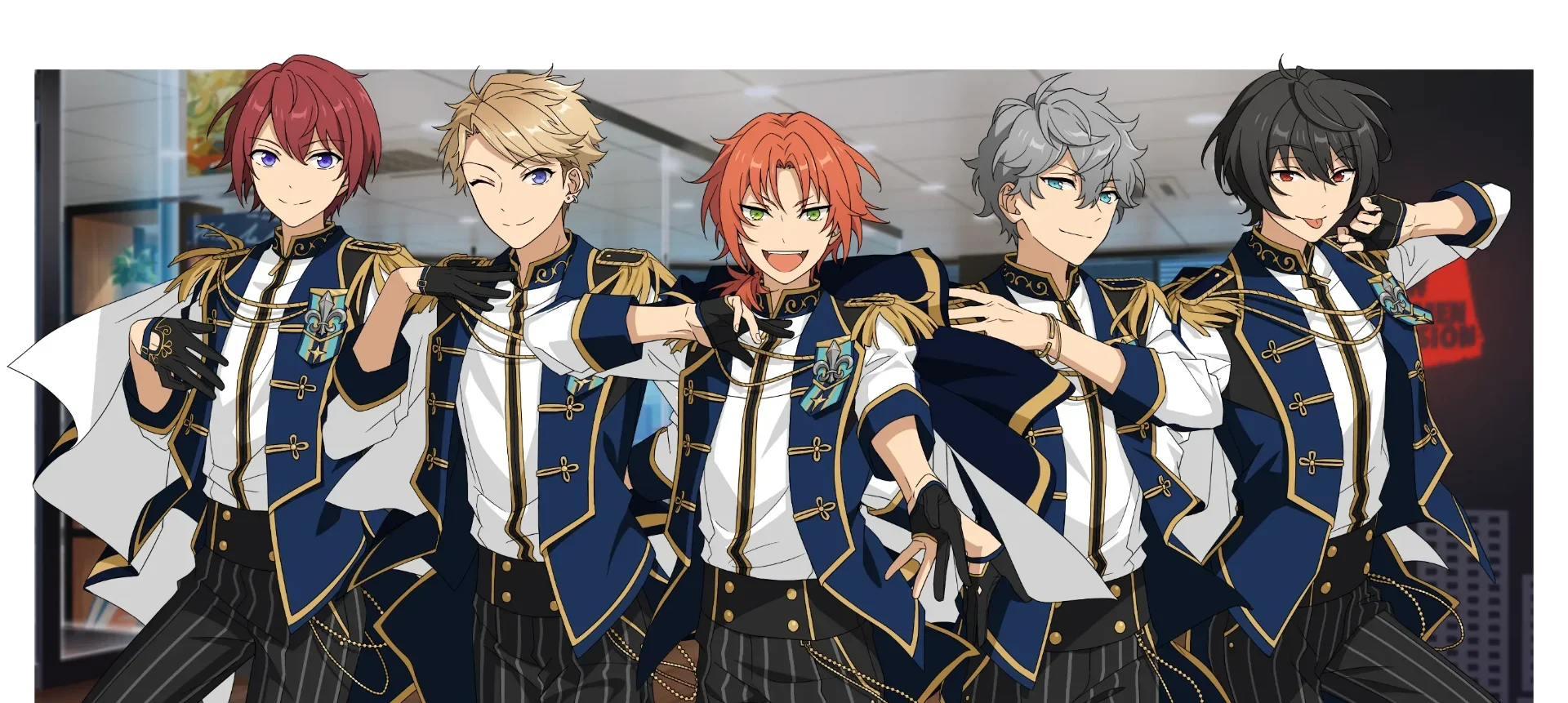
The key here is the unresolved past between Chitose and Leo: Chitose remembers it, but Leo does not.
Chitose said to Leo, “So you don’t remember me.” But when and how their relationship began has not yet been revealed.
If their encounter is connected to Chitose’s card-game years or to the time when he was regarded as a prodigy, then a meeting between Chitose—who has maintained his self-worth by being useful to others—and Leo—who was wounded by his own talent but chose his relationships with his companions anew—could carry great meaning.
At present, however, we do not have enough information to contrast the nature of their talents. What matters here is not whether either talent is “real” or “false,” but what an encounter remembered only by Chitose has left inside the person he is today.
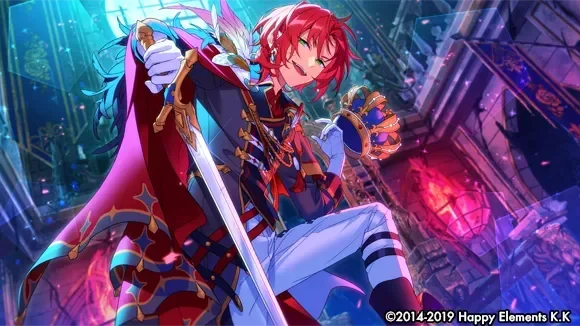
There is also an unresolved connection between Izumi and Nozomi.
Izumi called Nozomi “the business rival who stole my job,” and reacted with intense irritation when Nozomi began talking about “rules.” We do not yet know what the job was or what specifically happened between them.
The field in which the job was taken remains unknown. What is certain is that they competed professionally in entertainment and that Izumi feels a strong rivalry toward Nozomi.
If this route is realized, the structure would not simply expose one person’s wound in each match. Instead, multiple threads extending toward Mashu, Nozomi, Juis, and Chitose would gradually be tied together as the tournament continued.
Of course, ALKALOID are not guaranteed to defeat Switch, nor UNDEAD to defeat Eden, nor Knights to defeat Trickstar.
That is why this prediction is not a prophecy that “this is what will happen.” It is one reading of where the unanswered questions in the introductory comments may lead.
RYUSEITAI or MaM may advance instead.
Midori knows Chitose simply as an ordinary person who comes to buy parsley every week. Madara intends to investigate Juis’s childhood connection. Both of them can reach the individual beneath the shell of the perfect idol.
That is precisely why it would be such a waste to reduce this tournament to predictions of winners and losers.
Whatever matchups occur, each still holds the possibility of exposing the “human being” someone in MDU has kept hidden.
From Institutional Teammates to Companions Who Know One Another’s Wounds
MDU have already joined ES, and in BUBBLE GUM DANCE, joint production by Nice and the protagonist has begun. They have recognized the protagonist’s patient strategy, and the first signs of trust have appeared as they allow her to continue producing them.
The Megasphere Match advances that institutional affiliation into relationships between individuals who can touch one another’s wounds.
From teammates in name alone to companions who know one another’s wounds.
At the same time, MDU also unsettle the values of the ES units that face them.
MDU possess world-class ability and the power to transform public desire into feverish excitement. Their way of being forces every ES unit they confront to ask itself what it believes in when it steps onto the stage.
Valkyrie showed MDU a value that victory and defeat cannot measure.
MDU gave Valkyrie the pressure needed to push the art created by the two of them to its limit.
The colors they touched remain within each other.
Even those who intended to dye the other in their own colors may discover that the other’s colors have dyed them in return.
Perhaps the Megasphere Match is an enormous stage created for precisely this kind of interaction.
Conclusion—Carrying the Loser’s Light, the Winner Moves Forward
MDU defeated Valkyrie.
They remain in the tournament. They will face their next opponent and, no doubt, present another perfect stage.
But they are no longer exactly the same MDU they were before meeting Valkyrie.
Beside Mashu stands a friend who remembered him even when he was not perfect.
Within Juis remains a “radiance” that no one commanded him to see.
Valkyrie have been eliminated.
Even so, their art remains inside the winner like a foreign body, quietly changing the choices MDU will make from this point onward.
If art survives into the future not only through the work itself, but by changing the way someone it touches goes on living—
did Valkyrie truly lose anything at all?
And as MDU carry home the light of each opponent and gradually change with every victory, what kind of “perfection” will they reach in the end?
Perhaps this tournament will decide more than the name of the strongest unit.
Who will touch whose wounds? Who will unsettle whose values? And who will leave something within another person that can never disappear?
Each time the identities of winner and loser change, the answer accumulates little by little.
That is why I cannot wait for the next match.
How far can the winner go while carrying the loser’s light within?
I want to see that journey through to its end.
That concludes my analysis.
Thank you very much for staying with me through such a long article—and through some admittedly bold hypotheses—until the very end…!